
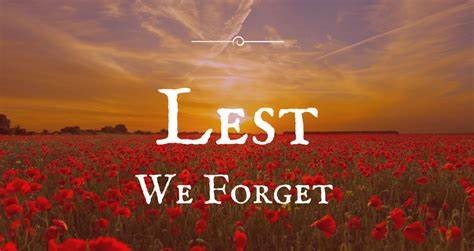
Armistice Day is on 11 November and is also known as Remembrance Day.
It marks the day World War One ended, at 11am on the 11th day of the 11th month, in 1918. Nowadays, people remember those who were lost in the war by holding a two-minute silence and by wearing a red poppy.
Remembrance Day was started in 1919 by King George V of the United Kingdom. On the same day, other countries also have days to remember war and soldiers. There is Veteran’s Day in the United States, and Armistice Day in France, Belgium, New Zealand and other countries.
The red poppy is the most famous symbol used to commemorate those who sacrificed their lives in World War One and conflicts that followed. Wearing a poppy was inspired by the fields of poppies that grew where many of the battles were fought.
The red poppy is connected to the Royal British Legion – a charity created by veterans of World War One. They say that the red poppy represents remembrance and hope. The purple poppy is often worn to remember animals that have been victims of war. Animals like horses, dogs and pigeons were often drafted into the war effort, and those that wear the purple poppy feel their service should be seen as equal to that of human service. In particular, many horses were killed or injured in World War One.
The black poppy commemorates the black, African and Caribbean communities’ who contributed to the war effort – as servicemen and servicewomen, and as civilians.
There are also some people who feel that the red poppy glorifies war and conflict, so they might choose to wear a white poppy. The white poppy is handed out by a charity called Peace Pledge Union, which promotes peace. They say that the white poppy commemorates people who died in conflict, but focuses on achieving peace and challenging the way we look at war.
Written by Millie 5B
Questions to think about
What poppy would you wear?


remember
LikeLike
remember for 1 minute
LikeLike
I wore a red and a purple poppy.
LikeLike
I still am wearing poppies
LikeLike
rememnbrance day is very sad but good for remembaring people how has pased away. from lilly in 5B
LikeLike
My salute for them.
LikeLike